
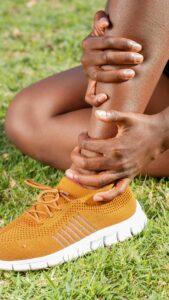
Sprains and Strains: Whats the Difference?
The terminology used by physiotherapists and doctors can sometimes be confusing, especially when it comes to terms like sprains and strains. These words are often used interchangeably, but they actually refer to different types of soft-tissue injuries. What Do We Mean by Soft Tissue? Soft tissue refers to the muscles,
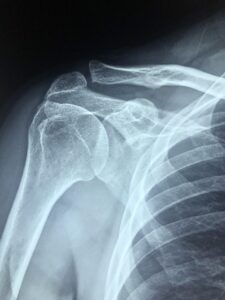
When Do You Really Need a Scan?
It’s easy to assume that an X-ray or MRI is the quickest way to find out what’s causing pain — but that’s not always the case. In many situations, imaging adds little to what a thorough assessment by your physiotherapist can already tell you. Understanding when a scan is helpful and when it isn’t can save time, money, and unnecessary worry.

Remedial Massage vs Physiotherapy
Remedial massage works well in conjunction with physiotherapy. While the two treatments are different, they are highly complementary. When comparing remedial massage vs physiotherapy, one is not “better” than the other — they simply address your health in different ways. Below, we’ll explore five common reasons people seek remedial massage,

Understanding Headaches: How Physiotherapy Can Help Manage Neck-Related Pain
Headaches and Physiotherapy: What You Need to Know Headaches are one of the most common health complaints worldwide. While some are mild and short-lived, others can become persistent and impact daily life. The International Headache Society recognises more than 100 subtypes of headaches across 14 categories, which shows just how

Understanding Whiplash Recovery: Rehab, Symptoms & How Physiotherapy Helps
August is National Road Victim Month in Australia — a time to shine a light on the physical and emotional effects of road trauma. One of the most common, yet misunderstood, injuries after a car accident is whiplash. As physiotherapists, we know that even low-speed collisions can cause significant

Exercising with Pain: Key Differences Between Acute and Chronic
Pain is a complex experience — and if you’re unsure whether to rest or keep exercising with pain, you’re not alone. Whether you’re recovering from an injury or living with persistent discomfort, understanding the difference between acute pain, chronic pain, and exercise-related soreness is key to moving safely and confidently.

Why Many Fitness Plans Fail
Why Many Fitness Plans Fail – The Secret to a Sustainable Fitness Program January is often filled with fresh motivation, big goals, and optimism about what we can achieve for our health. After the indulgence of the festive season, many of us resolve to exercise more, eat better, and feel

New Year, New Fitness Goals? Here’s What to Consider Before You Commit
Before you sign up for another fitness subscription… Read this first Every January, every Monday, and every time a new fitness trend hits your feed, it’s tempting to sign up – again – for another exercise program. A 30-day challenge. A shiny new app. A subscription that promises strength, tone,

“I know I should be doing strength training…”
If you’ve ever said – or even just thought – these words, you’re definitely not alone. Many women in their 40s, 50s, and beyond know that strength training is important, but somehow it keeps slipping down the list of priorities. Between work, family, and all the other demands of
Exercising with Pain: Key Differences Between Acute and Chronic
Pain is a complex experience — and if you’re unsure whether to rest or keep exercising with pain, you’re not alone. Whether you’re recovering from an injury or living with persistent discomfort, understanding the difference between acute pain, chronic pain, and exercise-related soreness is key to moving safely and confidently.

Hamstring Injury: Recovery, Prevention & Return to Sport
What Is a Hamstring Injury? The hamstrings are a group of three muscles located at the back of your thigh. They play a critical role in both hip and knee movement and are especially important for running, sprinting, and explosive movements in sport. Due to the way they function—crossing both the

Exercise for Bone Health: How to Build Stronger Bones at Any Age
Exercise for Bone health is crucial at every stage of life. While we often associate osteoporosis and bone loss with older adults, maintaining strong bones is something we should all prioritise—whether you’re in your 20s or your 70s. The good news? One of the most effective ways to build and

The Growing Musculoskeletal Health Crisis in WA — and How We Can Reduce Its Impact
The Growing Musculoskeletal Health Crisis in WA — and How We Can Reduce Its Impact By Traci Mitchell (Physiotherapist) Recently I attended the launch of a report from Monash and Curtin Universities which forecasts the burden of musculoskeletal conditions in Western Australia over the next 20 years. The infographic below

Cupping Therapy in Massage
Cupping Therapy in Massage: What It Is and Why Your Body Loves It Cupping is a hands-on technique that many massage therapists use to enhance treatment outcomes. Instead of applying pressure into tight muscles, cupping uses soft suction to lift the skin and underlying tissues. This upward pull can help
Remedial Massage vs Physiotherapy
Remedial massage works well in conjunction with physiotherapy. While the two treatments are different, they are highly complementary. When comparing remedial massage vs physiotherapy, one is not “better” than the other — they simply address your health in different ways. Below, we’ll explore five common reasons people seek remedial massage,
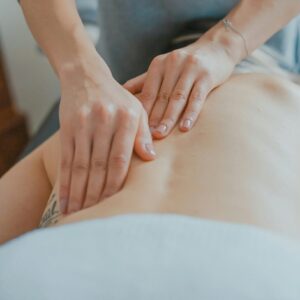
5 Reasons to Book a Remedial Massage
Its more than just relaxation Everyone enjoys a massage—it’s relaxing, relieves stress, and makes our muscles feel like someone has pressed the refresh button. But did you know a remedial massage isn’t just a treat? It’s a targeted treatment that can help with pain, recovery, mobility, and even stress-related health

Physiotherapy and Lifestyle Medicine
Lifestyle medicine is an evidence-based approach to preventing, managing, and even reversing chronic conditions through everyday choices. It focuses on six key areas: movement, nutrition, sleep, stress management, social connection, and reducing harmful substances.

Sleep Hygiene: Small Habits, Big Impact
Good sleep isn’t just about how long you’re in bed—it’s also about how well your body prepares for rest and how it wakes up. Whether you’re a busy professional, an athlete, or recovering from injury, refining your sleep habits using our sleep hygiene tips can make a huge difference to
“I know I should be doing strength training…”
If you’ve ever said – or even just thought – these words, you’re definitely not alone. Many women in their 40s, 50s, and beyond know that strength training is important, but somehow it keeps slipping down the list of priorities. Between work, family, and all the other demands of
Exercise Prescription for Bone and Muscle Health in Midlife Women
For women in midlife, the changes of perimenopause and menopause can feel daunting. Many notice new aches, slower recovery from exercise, or a frustrating sense of “falling apart.” Behind these changes lies a biological reality: declining estrogen directly impacts muscle mass, bone strength, joint health, and tendon resilience.

The Musculoskeletal Syndrome of Menopause: Why Physiotherapy Matters
For many women, the midlife years can feel overwhelming. You might notice that you don’t bounce back from exercise or injury like you used to, that little aches and pains linger longer, or that your energy feels lower than it once did. Added to this, many of us have watched