
Build Strength during Perimenopause without the setbacks
Strength training in your 40’s, 50’s and beyond is very empowering. But sometimes, aches and pains can sneak in – especially in the form of tendinopathy, a common complaint that can put a dent in your progress if it’s not handled well.
The good news? With the right approach, you can train smarter, reduce your risk, and even keep building strength while your body heals.
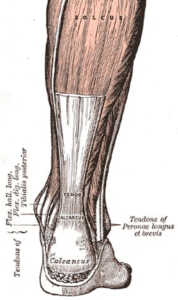
What Is Tendinopathy?
Tendinopathy is a condition where the tendons – strong, fibrous cords that attach muscle to bone – become irritated. This can lead to pain, stiffness, and reduced strength. Common spots include the elbows (tennis elbow), shoulders, feet and ankles, and hips.
Tendinopathy usually occurs because of a change in load – ie, a sharp increase or decrease in the overall amount of exercise you are doing. Tendons are happiest with a steady amount of load. If they are underloaded due to a lack of regular exercise, they will become less resilient and more prone to injury. If you increase your exercise too quickly by, for example, trying to kick-start your health with a 30-day challenge of 100 star jumps a day, then your tendons will be overloaded and will let you know about it. Tendon pain and stiffness sometimes doesn’t kick in until weeks or even months after the change in your activity, so it is best to pace yourself from the start.
As we’ve already learned, tendon issues are also more common during perimenopause and menopause because we lose some of the protective cover that oestrogen gives to tendons. It is also often a time where we often have changing social demands, juggling different care responsibilities, paid and unpaid work, less than ideal sleep patterns, and both little and big sources of stress. Managing our own fitness can be pushed down the list of priorities at times, understandably.
Ideally, we want to keep our physical activity increasing in a nice and steady manner. But if life gets in the way and your training is not as consistent as you would like, you can arm yourself with these warning signs and strategies to deal with an impending tendinopathy.
Early Warning Signs
Knowing the signals can help you act before things get worse:
- A dull ache or stiffness that eases with movement
- Tenderness when pressing on the tendon
- Gradual onset over days or weeks, not a sudden “snap” injury
- Pain that’s worse the morning after activity
Ignoring these signs and “pushing through” often leads to longer recovery times, so it’s best to adjust early.
Why ‘just rest’ isn’t the answer
In the past, the go-to advice for tendon pain was complete rest. We now know that tendons need controlled loading to heal.
The key is to modify, not stop, your training. This might mean:
- Reducing the weight or resistance temporarily
- Swapping painful movements for less painful alternatives
- Slowing down the movement to reduce stress and focus on control

Continue to exercise, but avoid these things
- Stretching – It might feel good at the time, but stretching an irritated tendon can make it sorer and delay recovery. For example, if you have gluteal tendinopathy or ‘hip bursitis’, avoid crossing your legs. Or if you have plantar fasciitis, avoid pulling your toes up to stretch out the arch of your foot.
- Compression – That is, avoid squashing the tendon. General compression, like compression socks or leggings, is not a problem. But targeted compression right on the tendon is just like poking a bruise – it will leave you feeling sore and may delay healing. For example, hip tendinopathy will feel worse when lying on that side or after prolonged sitting. In the case of plantar fasciitis, skip the golf ball (IYKYK).
- Bouncy movements – This might mean taking a break from the HIIT or aerobics class for a time, or avoiding bouncing your knee while you sit at a desk.
Training through tendinopathy
Getting your training load just right when you have a tendinopathy can take a bit of trial and error, because there can be a delay between the exercise and symptoms. Some discomfort during exercise is OK and won’t cause any harm, but if your pain is worse the next day, that can be a sign that you’ve overdone it.
Heavy, slow resistance training stimulates tendon repair and strengthens the surrounding muscles, and people often find that their tendon pain feels better the next day.
More cardio-focussed exercise like walking, cycling or swimming are fine to continue, but you might need to reduce the amount that you do. My general rule of thumb is to do about 50% of what you think you can manage, see how you feel the next day and adjust accordingly. For example, if you normally walk for 1 hour twice a week:
- Try a 30-minute walk
- See how you feel the next day
- If you feel worse, try a 20-minute walk next time
- If you feel the same or better, try a 35-minute walk next time
Recovery is an important part of any exercise program, so even if you feel great, make sure you allow at least a day off between hard workout sessions, and always prioritise the secret weapon of recovery: sleep!
The Takeaway
Tendinopathy doesn’t have to derail your strength journey. By recognising early signs, modifying workouts, and using smart training strategies, you can keep building strength while protecting your tendons.