
Week 4 - The Impact of Diet and Nutrition
During perimenopause, the body undergoes significant hormonal changes, particularly in the production and regulation of oestrogen, progesterone, and testosterone. These shifts can affect both physical and emotional health, though the intensity and type of symptoms vary widely between individuals.
Physical symptoms can include:
- hot flushes
- night sweats
- sleep problems
- sore breasts
- exhaustion and fatigue
- vaginal dryness
- lower sex drive
- headaches or migraines
- aches and pains
- bloating and urinary problems
Emotional symptoms can include:
- irritability
- anxiety
- difficulty concentrating
- forgetfulness
- mood changes
While what we eat can’t stop these changes from occurring, our diet can reduce the intensity and degree to which we experience these symptoms.
Perimenopause symptoms and diet
Sleep disturbances and subsequent low energy and moods are commonly experienced during perimenopause. A systematic review found that people with an increased intake in vegetables and wholegrains experienced not only improved sleep, but also improved psychological symptoms, hot flushes and urogenital symptoms. On the other hand, symptoms were worsened with a higher intake of caffeine and ultra-processed foods. Some people report a reduction in hot flushes with reduced alcohol and spicy food.

Caffeine is a contributing factor to sleep disturbances and anxiety, and while we’re aware of the caffeine in coffee and many avoid this later in the day, the effects of caffeine from nightly chocolate may also be impacting your sleep. A 60g serve of dark chocolate has 10-60mg caffeine (depending on the brand) – that’s the same amount as an instant coffee, 2 cups of tea or some energy drinks.
Disease prevention
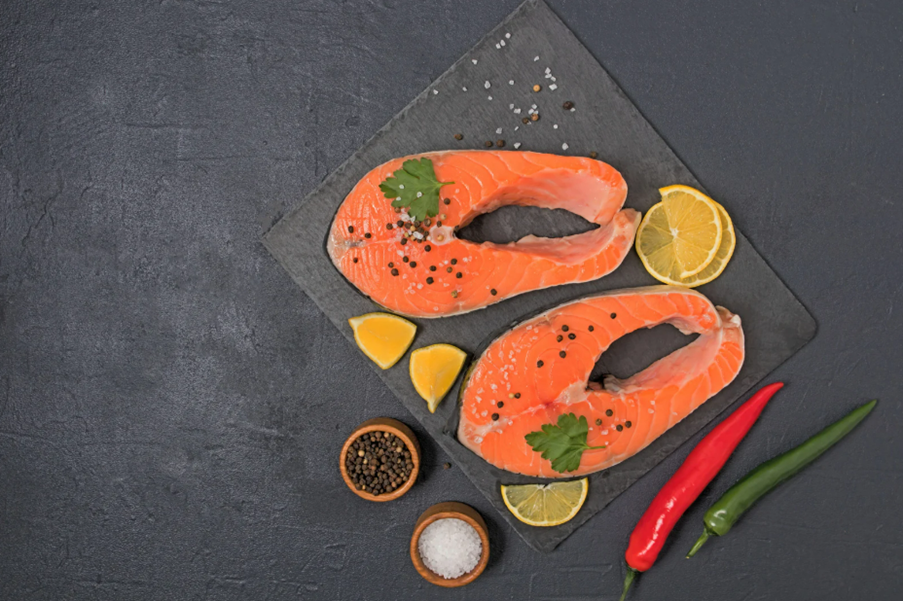
The changes in hormone levels that occur during peri and post menopause increases our risk of developing cardiovascular disease, diabetes, breast cancer and osteoporosis. Omega 3 fatty acid, found in high amounts of fish, is protective against cardiovascular disease and plays a role in brain health including cognition, memory and moods. Aiming to have 100g of fish 2-3 times per week will assist in reaching omega 3 fatty acid requirements. If someone does not eat fish, we might consider adding an omega 3 supplement. As well as fish, a diet consisting of appropriate portions of wholegrains, fruits and vegetables contributes to reducing the risk of developing these chronic conditions through the nutrients they provide and their anti-inflammatory effects.
Carbohydrates
Eating regularly is key for maintaining optimal health during perimenopause. Spacing low GI (Glycaemic index) carbohydrates across the day assists in supporting good moods as well as satiety (our feeling of fullness).
Carbohydrate is often a nutrient that is restricted during this time as a means of trying to manage unintentional weight gain. However, restricting carbohydrate may be doing more harm than good. Studies have shown that when calories are matched, a low carbohydrate diet compared to a low-fat diet results in similar weight loss overall, but a low-fat diet results in more body fat loss. Practically speaking, when restricting carbohydrates, particularly early in the day, we are more likely to consume more calories later in the day.

Protein
Adequate protein is essential in supporting the maintenance of muscle mass. Including protein at each meal gets the best results with maintaining muscle mass, ideally accompanied with appropriate exercise.
Bone health
Bone health should be a consideration at all ages, however oestrogen deficiency in peri and post menopause impairs the normal bone turnover cycle. A third of women over the age of 50 will experience an osteoporotic fracture. Calcium and protein are spoken about a lot for their benefit in maintaining bone mineral density. However, there are other nutrients vital to maintaining our bone health. Vitamin D promotes the storage of calcium in bones and increases the absorption of calcium from the food you eat. Magnesium also helps with calcium absorption and potassium helps to keep calcium in bones. Vitamin C is essential for collagen synthesis, which is needed in connective tissue throughout the body, including structures that support bones. While vitamin K is not a direct component of bone, it serves as a crucial co-factor for enzymes involved in bone formation and maintenance.

Most days we aren’t thinking about all of these specific nutrients as we eat, but if we are consuming adequate dairy, lean meat, fish and again, wholegrains, fruit and vegetables, we are likely to get all the nutrients we need from our food without the need for any supplements.
Would you like more help with your diet?
If you would like support with a tailored plan on how you can eat to optimise your health during this time, book an appointment with a New Leaf Dietetics Dietitian.

References
Noll, P. R. E. S., Campos, C. A. S., Leone, C., Zangirolami-Raimundo, J., Noll, M., Baracat, E. C., … & Sorpreso, I. C. E. (2021). Dietary intake and menopausal symptoms in postmenopausal women: a systematic review. Climacteric, 24(2), 128–138.