
Cupping Therapy in Massage: What It Is and Why Your Body Loves It
Cupping is a hands-on technique that many massage therapists use to enhance treatment outcomes. Instead of applying pressure into tight muscles, cupping uses soft suction to lift the skin and underlying tissues. This upward pull can help improve circulation, ease stubborn tension, and create a deep sense of release through the whole body.
How Cupping Works
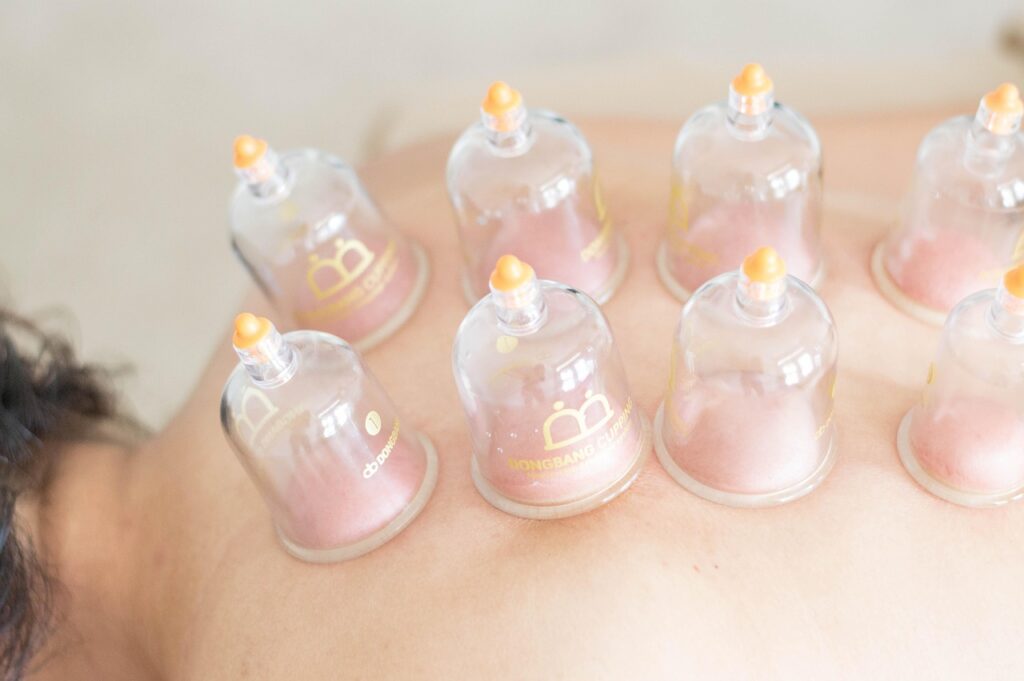
During a cupping session, your therapist places small glass, silicone, or plastic cups on the skin and creates light suction. This draws the tissues upward, helping to separate layers of muscle and fascia that can become stuck from stress, posture, or overuse. The result? More mobility, less tightness, and a “lightness” that many clients feel immediately after treatment.
Cupping has been used for thousands of years, with origins in traditional Chinese and Middle Eastern medicine. Today, dry cupping is the most common form used in massage therapy. It simply involves suction—no incisions, no bleeding, and no downtime—making it a safe and accessible option for most people.
What Cupping Can Help With
Cupping can be particularly effective for:
Persistent muscle tightness in the back, neck, and shoulders
Posture-related discomfort
Sports recovery and overuse injuries
General muscle tension and stiffness
Headaches and migraines triggered by tight muscles
Improving circulation and reducing local inflammation
Supporting relaxation and stress relief
Many clients find that cupping complements their regular massage by reaching deeper layers of tension without the need for firm pressure.
What It Feels Like
Cupping typically creates a gentle pulling sensation—often described as relieving, warming, and deeply relaxing. You may notice temporary circular marks afterward. These aren’t bruises from trauma but rather a normal response to increased blood flow. They generally fade within a few days.
A Supportive Addition to Your Massage
Whether used as a stand-alone treatment or blended into your massage session, cupping offers a simple yet powerful way to ease tension, enhance mobility, and support overall wellbeing. Its ancient roots combined with modern therapeutic practice make it a valuable tool for helping your body move and feel better.